Advanced Certificate
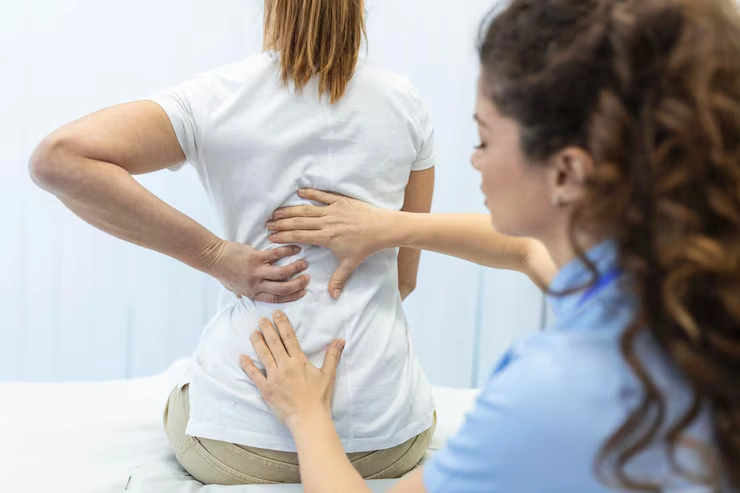
The Advanced Certificate track builds on foundational knowledge to explore complex concepts in spinal care and rehabilitation. It delves into advanced spinal anatomy and common pathologies (disc herniation, nerve impingements, scoliosis, etc.), pain science, and a broad range of conservative treatment techniques. Participants will learn evidence-based strategies for managing spine pain and dysfunction without surgery -aligning with best practices that favor noninvasive therapies for back pain. This track also introduces specialized interventions like spinal decompression, advanced manual therapy, and integrative modalities (e.g. acupuncture, physiotherapy techniques) to restore mobility and function. Finally, students will develop long-term spine health strategies to help patients maintain improvements and prevent recurrence
Learn the basics at your own pace
- Private Learning
- Workshop week
- Summer programs
Learning Objectives
For everyone that loves learning
spinal pathology and biomechanic
Deepen understanding of spinal pathology and biomechanics, including how to identify red flags for serious conditions (e.g. neurological deficits, fractures).
pain mechanisms
Explain pain mechanisms (nociceptive vs. neuropathic pain, chronic pain cycle) and apply pain management principles in treatment planning.
advanced assessment techniques
Master advanced assessment techniques: neurological exams (dermatomes, myotomes), orthopedic tests for spine (e.g. Straight Leg Raise, Spurling’s test) to pinpoint sources of pain.
conservative therapies
Compare and apply various conservative therapies – e.g. therapeutic exercise, spinal manipulation, mobilization, traction, massage, and adjunct techniques – for different spine conditions
spinal decompression
Operate and understand spinal decompression tools (traction tables, inversion therapy) and their indications for conditions like disc injuries.
lifestyle and wellness
Integrate lifestyle and wellness modifications into patient care, such as core strengthening programs, flexibility training, stress reduction, weight management, and patient education for longterm spine health.
Modules and Topic
Let’s make progress together
Advanced Spinal Anatomy & Common Conditions
Detailed study of spinal structures (facet joints, ligaments, musculature) and common disorders (herniated discs, sciatica, stenosis, scoliosis). Case examples illustrate how these pathologies present and are confirmed (imaging basics may be touched upon).
Therapeutic Interventions (Conservative Therapies)
In-depth coverage of treatment modalities. For example: chiropractic adjustments and mobilization techniques for restoring alignment, physiotherapy modalities (ultrasound, TENS, laser therapy), soft tissue techniques (trigger point therapy, myofascial release), and integrative therapies like dry needling or yoga-based exercises. Emphasis is on an evidence-guided integrative approach to spine care
Ergonomics and Lifestyle Coaching
Advanced ergonomics (assessing a patient’s workstation or daily environment) and lifestyle counseling for spine health. This module teaches practitioners to create personalized advice on nutrition, smoking cessation, stress management, and exercise routines as part of holistic spine wellness plans
Pain Science & Management
Overview of pain pathways and chronic pain mechanisms. Covers non-pharmacological pain management aligned with clinical guidelines – e.g. use of heat therapy, acupuncture, massage, and spinal manipulation as first-line options in back pain . Discussion on when medical co-management (e.g. analgesics or injections) might be needed.
Spinal Decompression & Traction
Focus on non-surgical decompression therapy for cervical and lumbar spine. Explains how traction devices relieve nerve pressure by gently lengthening the spine. Includes indications, contraindications, and a demonstration of using a decompression table safely.
Assessment & Diagnostic Techniques
Training in advanced clinical evaluation – posture analysis at a deeper level, functional movement screens, neurological screening for spine patients, and special orthopedic tests to diagnose conditions. By honing these skills, practitioners can better tailor treatment to the underlying cause.
Rehabilitation & Mobility Restoration
How to develop rehabilitation programs for various scenarios – e.g. acute low back strain, post-operative spine surgery rehab, chronic pain management. Covers exercise prescription (core stabilization exercises, stretching protocols, progressive strength training) and functional training to help patients return to work or sport.
Formats & Materials
A variety of content formats are used
Video Demonstrations
Clinical skills videos showing techniques – e.g. performing a Spurling’s test for cervical radiculopathy, demonstration of a lumbar adjustment or mobilization, how to set up a traction table for spinal decompression. These visual guides help refine hands-on skills.
PDF Protocol Guides
Downloadable therapy protocol sheets for common conditions (e.g. a stepwise Conservative Management Protocol for Lumbar Disc Herniation , or Rehabilitation Exercise Plan for Chronic Low Back Pain). Also, summary charts of neurological exam findings (dermatome maps, reflexes) as quick-reference.
Case vignettes
Short written case examples within modules to apply knowledge (e.g. interpret a patient scenario and select an appropriate treatment plan). These can be interactive or followed by explanation.
Quizzes
Knowledge checks after key modules – for example, identifying proper treatmentmodalities for given symptoms, or matching orthopedic tests to the conditions they diagnose.
Assignments/Projects
A practical assignment such as creating a full 4-week rehabilitation plan for a hypothetical patient, or documenting an ergonomic assessment of a workplace setup. This helps synthesize module topics into real-world application
Downloadable Assessment Forms
Advanced forms like a Comprehensive Spine Assessment Worksheet (to record exam findings systematically) and a Patient Exercise Log Template that can be given to patients to track their at-home exercises. These resources serve as tools that participants can use in their practice.